
01
Programme partnerships
Co-designing, funding or implementing interventions responding to demonstrated economic needs.
Partners and collaboration
Collaboration is central to how HerNext works. We believe complex economic barriers cannot be solved by one institution alone. Meaningful and sustainable progress happens when organisations bring together complementary expertise, resources, markets, knowledge and capabilities around clearly identified needs.
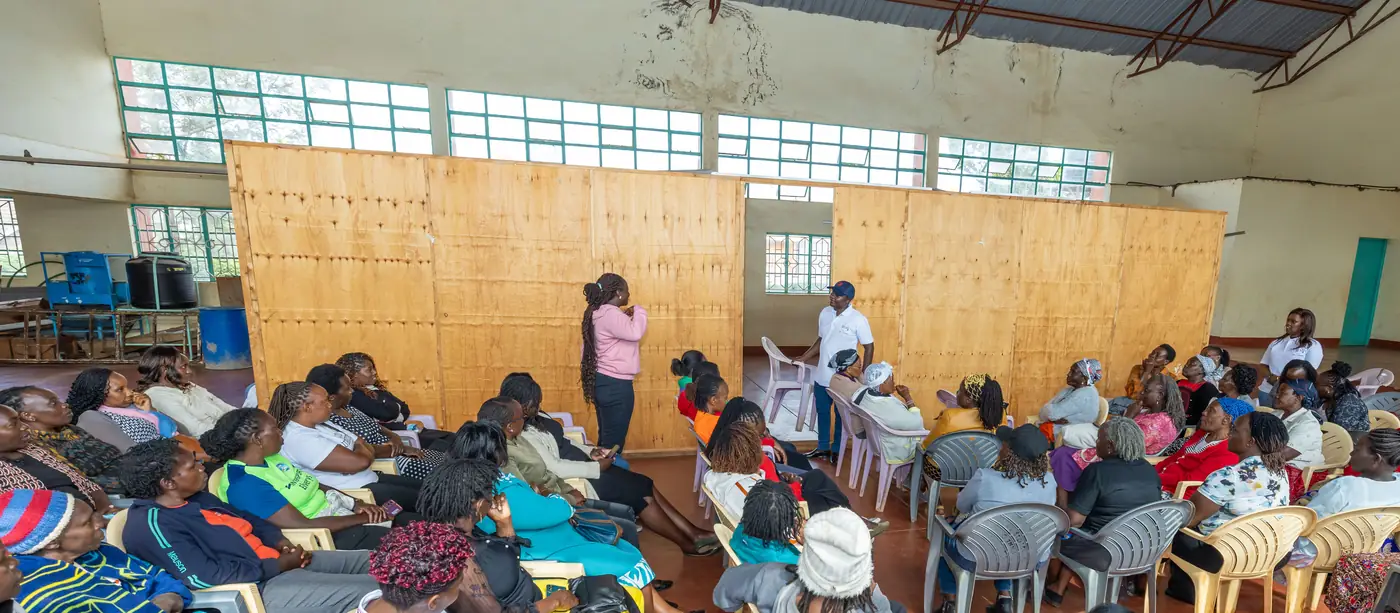
Our partnership philosophy
No single organisation holds every solution. A financial institution may provide capital. A business may provide access to markets. A technology company may provide tools. A development partner may provide technical expertise and resources. Government may strengthen the enabling environment. Communities provide lived experience and local knowledge.
HerNext brings these capabilities together around the barriers identified through our work.
We seek partnerships founded on trust, transparency, shared values and mutual accountability, with a preference for relationships capable of creating sustainable value beyond a single activity or event. By connecting women, institutions, expertise and opportunity, we seek to strengthen the economic ecosystems in which women build enterprises and livelihoods.
HerNext builds partnerships that turn shared purpose into practical action and measurable economic outcomes for women.
Who we partner with
01 Private sector
Businesses can provide markets, supply chain opportunities, technology, technical expertise, products and commercial partnerships that strengthen women's enterprises.
02 Financial institutions and investors
Banks, SACCOs, investment organisations and other capital providers can expand access to appropriate finance, strengthen financial capability and support investment-ready enterprises.
03 Development partners and foundations
Development institutions, foundations and philanthropic organisations can contribute funding, technical expertise, research capability and programme support that enable evidence-driven interventions to grow.
04 Government and public institutions
National and county governments, agencies and public institutions can strengthen enabling environments, provide technical support and connect interventions with wider economic development priorities.
05 Academic, research and technical institutions
Universities, research organisations and technical institutions provide evidence, specialised expertise, innovation and knowledge that strengthen programme design, implementation and measurement.
06 Civil society and community organisations
Community-based and civil society organisations help ensure interventions remain locally grounded, inclusive and responsive to the realities of the people they are designed to serve.
07 Market and trade partners
Buyers, distributors, retailers, exporters, trade organisations and industry associations can create pathways from production to sustainable markets.
08 Entrepreneurs and industry experts
Entrepreneurs, professionals, mentors and technical specialists contribute experience, knowledge, innovation and practical expertise that can strengthen women-owned enterprises and livelihoods.
How we partner
Collaboration takes seven practical forms, and most partnerships combine more than one.
01
Co-designing, funding or implementing interventions responding to demonstrated economic needs.
02
Connecting women-owned enterprises, producers and farmers to buyers, distributors, supply chains and new markets.
03
Creating pathways to appropriate finance, investment and financial capability.
04
Providing specialist expertise, technology, training, research or technical assistance.
05
Supporting evidence-driven programmes through grants, sponsorship, catalytic funding or other appropriate resources.
06
Supporting baseline studies, monitoring, evaluation, learning and evidence generation.
07
Creating opportunities for trade missions, buyer engagement, investment connections and regional or international market access.
How a HerNext partnership begins

HerNext partnerships begin with a clearly identified challenge or opportunity. Where possible, we use evidence from women, enterprises and communities to understand the problem before determining the partnership required.
We then identify organisations whose capabilities can contribute meaningfully to the solution, establish clear roles and intended outcomes, implement collaboratively and measure what changes.
We seek partners around real problems, not partnerships simply for visibility.
Partnership principles
01
We build partnerships around clearly defined objectives and outcomes that create meaningful value.
02
We recognise and value the expertise, perspective and contribution each partner brings.
03
We promote openness, ethical practice, responsible stewardship and accountability for commitments and resources.
04
We prioritise solutions capable of creating value beyond a single activity or funding cycle.
05
We seek to understand what changed as a result of our collaboration and use evidence to strengthen future work.
Partner with HerNext
If your organisation shares our commitment to expanding women's economic opportunity and has resources, expertise, markets, technology, finance or networks that can help address real economic barriers, we would welcome a conversation. Whether through programme collaboration, market access, technical expertise, funding, research or investment, we are interested in partnerships capable of moving from intention to measurable impact.